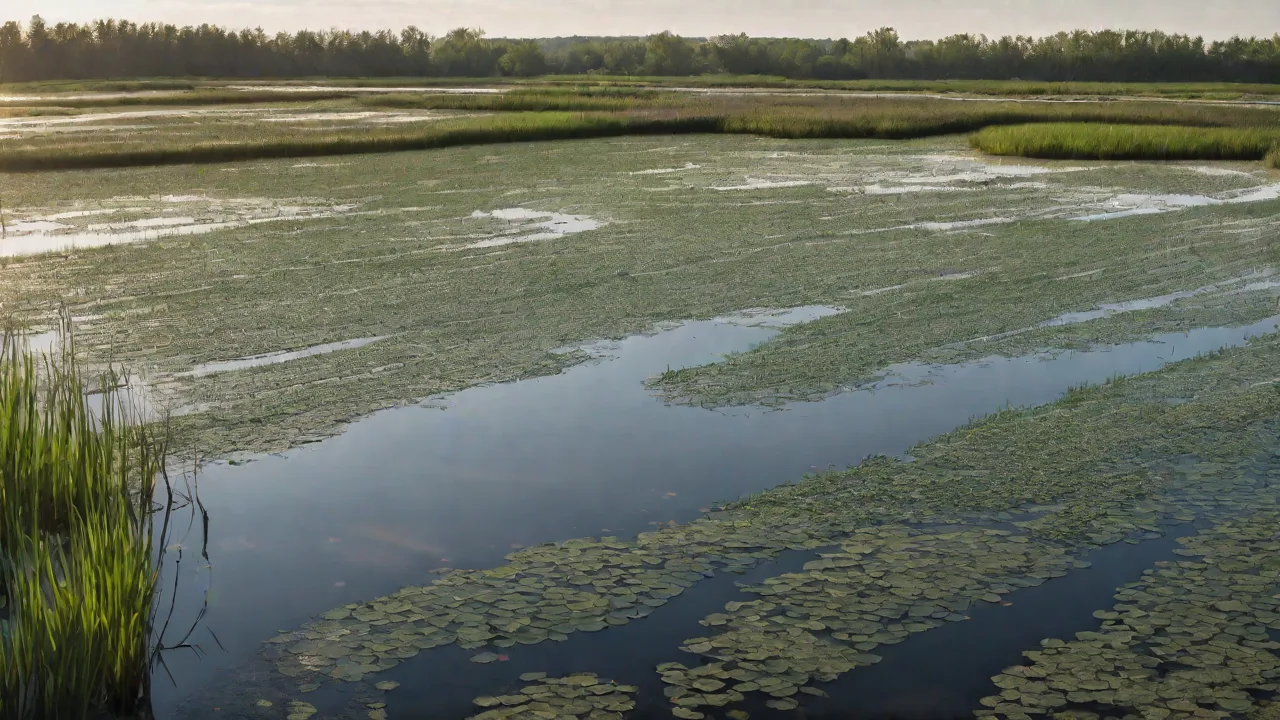
Wetlands as Natural Water Filtration Systems and Their Ecological Importance
Wetlands are vital ecosystems that serve as natural water filtration systems. They are wetlands such as marshes, swamps, and bogs that filter pollutants from...
Latest stories and guides.
Wetlands are vital ecosystems that serve as natural water filtration systems. They are wetlands such as marshes, swamps, and bogs that filter pollutants from...
Pollinators play a vital role in maintaining the health and productivity of agricultural ecosystems. These creatures, including bees, butterflies, birds, and...
Fire is a natural part of many ecosystems around the world. When a wildfire occurs, it dramatically alters the landscape, destroying existing plant and animal...
Deforestation in tropical regions has become a critical environmental issue affecting the stability of ecosystems. Tropical forests, which cover approximately...
Coral reefs are among the most diverse and valuable ecosystems on Earth. They provide essential services to marine life and human communities alike...
Keystone species play a critical role in maintaining the health and stability of ecosystems. These species have a disproportionately large impact on their...
The hydrological cycle, also known as the water cycle, is a fundamental natural process that continuously moves water within the Earth and its atmosphere. This...
Climate change has led to an increase in the frequency and intensity of extreme weather events worldwide. Among these, precipitation events—such as heavy rains...
The water cycle is a fundamental natural process that shapes our environment. It involves the continuous movement of water on, above, and below the Earth's...
Urban areas are complex environments where local climate conditions can vary significantly over short distances. These variations, known as microclimates, play...
The melting of ice sheets in Greenland and Antarctica has become a significant concern in recent years. As global temperatures rise, these massive ice...
Forests play a crucial role in maintaining the Earth's climate by acting as carbon sinks. They absorb carbon dioxide (CO2) from the atmosphere through the...
The hydrological cycle, also known as the water cycle, is a fundamental process that sustains life on Earth. It involves the continuous movement of water...
Understanding the relationship between solar radiation and water evaporation rates is essential for studying climate patterns, agriculture, and water resource...
drought conditions can significantly disrupt the natural balance of the water cycle, impacting ecosystems, agriculture, and human communities. Understanding...
The hydrological cycle, also known as the water cycle, is a vital process that influences the landscape of mountain regions. It involves the continuous...
Heavy rainfall events have become more frequent due to climate change, significantly impacting soil erosion and water quality. Understanding these effects is...
Urban areas face increasing challenges related to water management, especially in maintaining sustainable groundwater levels. One effective strategy to address...
The water cycle, also known as the hydrological cycle, is essential for maintaining healthy aquatic ecosystems. Changes in this cycle can significantly impact...
Volcanic eruptions are among the most powerful natural events on Earth. They can have profound effects not only on the landscape but also on the atmosphere and...
The hydrological cycle in coastal ecosystems is a complex system that involves the movement and distribution of water through various processes. These...
Agricultural irrigation has been a vital practice for centuries, enabling farmers to cultivate crops in regions with insufficient rainfall. However, this...
Understanding how clouds form is essential to grasping the water cycle and weather patterns. The process begins with water vapor, which is water in its gaseous...
Forest fires are a natural part of many ecosystems, but their increasing frequency and intensity due to climate change pose significant threats to local...
Permafrost, the permanently frozen ground found in high-latitude regions, is a critical component of Earth's cryosphere. As global temperatures rise due to...
Atmospheric rivers are long, narrow bands of moisture in the atmosphere that transport large amounts of water vapor across vast distances. These phenomena play...
The water cycle is a fundamental process that sustains life on Earth. It involves the continuous movement of water between the atmosphere, land, and oceans...
Changes in land use have a significant impact on the environment, particularly on surface runoff and groundwater levels. As urban areas expand or farmland is...
The water cycle is a fundamental process that sustains life on Earth. Understanding how water moves through the environment is essential for managing our water...
The hydrological cycle in mountainous regions plays a crucial role in maintaining water resources for downstream areas. These regions act as natural water...