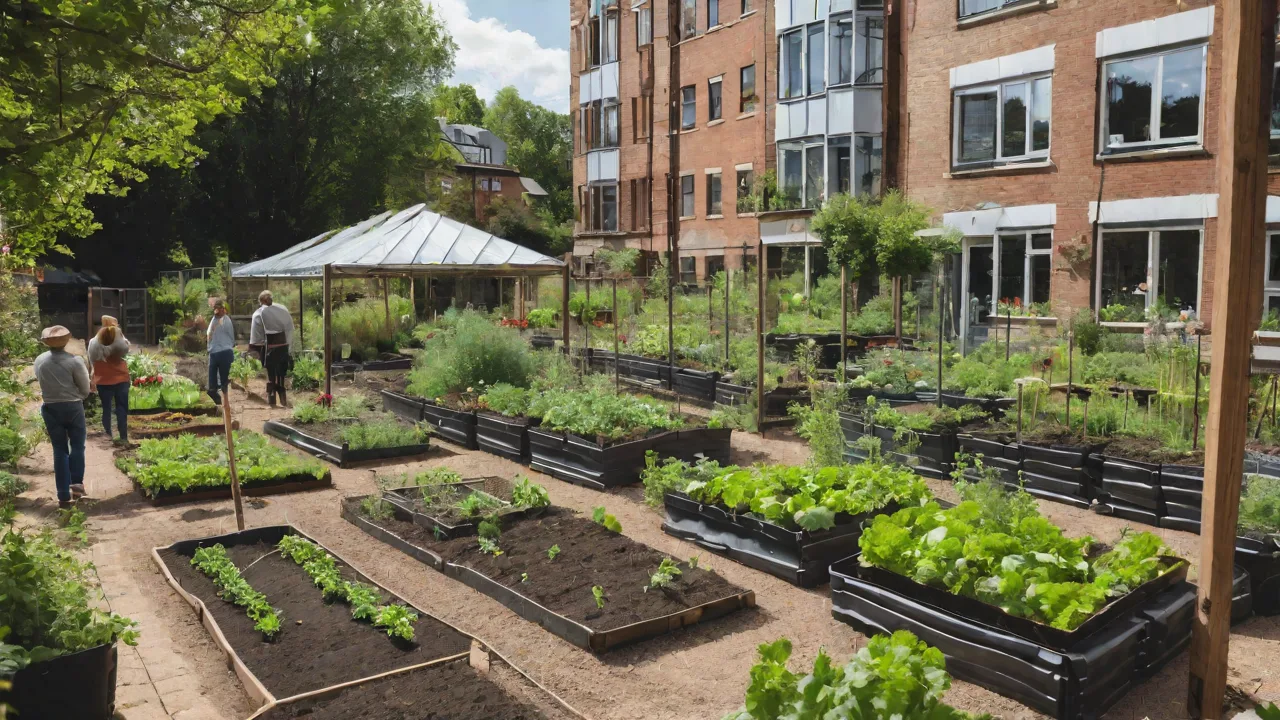
Understanding the Benefits of Community Gardening for Urban Living
Community gardening has emerged as a significant trend in urban areas, offering numerous benefits to residents and the environment. This article explores the various advantages of community gardening, highlighting its impact on urban living.
What is Community Gardening?
Community gardening refers to the practice of cultivating plants and vegetables in shared spaces within urban settings. These gardens are typically managed by local residents who collaborate to grow food, flowers, and other plants. This initiative not only beautifies neighborhoods but also fosters a sense of community.
Benefits of Community Gardening
- Improves Food Security: Community gardens provide fresh produce to urban residents, reducing reliance on store-bought food.
- Enhances Community Engagement: These gardens bring people together, fostering relationships and building a sense of belonging.
- Promotes Environmental Sustainability: Community gardening encourages biodiversity and supports local ecosystems.
- Encourages Healthy Living: Gardening promotes physical activity and access to nutritious food.
- Reduces Urban Heat: Green spaces help lower temperatures in urban areas, contributing to a cooler environment.
Improves Food Security
Urban areas often face challenges related to food deserts, where access to fresh produce is limited. Community gardens can alleviate this issue by providing residents with the opportunity to grow their own fruits and vegetables. This not only ensures a steady supply of nutritious food but also empowers individuals to take control of their food sources.
Enhances Community Engagement
Community gardens serve as social hubs where individuals from diverse backgrounds can come together. Through gardening activities, residents can build friendships, share knowledge, and collaborate on projects. This engagement fosters a sense of community ownership and pride, making neighborhoods more cohesive.
Promotes Environmental Sustainability
Community gardens contribute to environmental sustainability by promoting biodiversity. They provide habitats for various species, including pollinators like bees and butterflies. Additionally, these gardens help reduce carbon footprints by encouraging local food production, thus minimizing transportation emissions associated with grocery shopping.
Encourages Healthy Living
Participating in community gardening encourages physical activity and promotes healthy eating habits. Gardening involves various physical tasks, such as digging, planting, and weeding, which can improve overall fitness. Furthermore, having direct access to fresh produce encourages individuals to make healthier food choices.
Reduces Urban Heat
Urban areas are often characterized by heat islands, where temperatures are significantly higher than in surrounding rural areas. Community gardens help combat this phenomenon by providing green spaces that absorb sunlight and release moisture into the air. This natural cooling effect can lead to more comfortable living conditions for urban residents.
Challenges of Community Gardening
While community gardening offers numerous benefits, it is not without its challenges. Understanding these obstacles can help communities better prepare and adapt their gardening initiatives.
- Land Access: Securing land for community gardens can be difficult, especially in densely populated urban areas.
- Funding and Resources: Many community gardens struggle with limited funding and resources for maintenance and development.
- Community Involvement: Sustaining community interest and involvement can be challenging over time.
- Regulatory Barriers: Local regulations and zoning laws can hinder the establishment of community gardens.
Land Access
One of the primary challenges faced by community gardens is securing access to land. In urban areas, available land is often limited and expensive, making it difficult for communities to establish and maintain gardens. Collaborating with local governments and organizations can help overcome this hurdle.
Funding and Resources
Many community gardens operate on tight budgets, relying on donations and volunteer labor. Limited funding can restrict the ability to purchase seeds, tools, and other necessary supplies. Seeking grants and partnerships with local businesses can provide additional resources to support these initiatives.
Community Involvement
Maintaining enthusiasm and involvement in community gardening can be challenging as initial excitement may wane over time. Regular events, workshops, and activities can help keep community members engaged and invested in the garden's success.
Regulatory Barriers
Local regulations and zoning laws can pose significant barriers to establishing community gardens. It is essential for community members to understand these regulations and work with local authorities to navigate any challenges that may arise.
How to Start a Community Garden
Starting a community garden involves careful planning and collaboration among community members. Here are some essential steps to consider when initiating a community gardening project.
- Gather Community Interest: Organize meetings to gauge interest and involve local residents.
- Identify a Suitable Location: Look for available land that is accessible and has adequate sunlight.
- Form a Garden Committee: Create a group of dedicated individuals to manage the garden.
- Plan the Garden Layout: Design the layout, including planting areas, pathways, and communal spaces.
- Establish Rules and Guidelines: Set clear expectations for participation and maintenance.
- Secure Funding and Resources: Seek grants, donations, and partnerships to support the garden.
- Start Planting: Begin planting and encourage community involvement in the gardening process.
Gather Community Interest
Engaging the community is the first step in starting a community garden. Organize informational meetings to discuss the benefits and gather input from residents. This will help build a sense of ownership and commitment from the outset.
Identify a Suitable Location
Finding the right location is crucial for the success of a community garden. Look for land that is easily accessible, has good soil, and receives adequate sunlight. Collaborate with local authorities to identify potential sites.
Form a Garden Committee
A dedicated garden committee can help manage the garden effectively. This group should consist of enthusiastic community members who are willing to take on various responsibilities, such as planning, maintenance, and outreach.
Plan the Garden Layout
Designing the garden layout is an essential step in creating a functional and aesthetically pleasing space. Consider the placement of planting areas, pathways, and communal spaces to encourage collaboration and accessibility.
Establish Rules and Guidelines
Setting clear rules and guidelines helps ensure that all community members understand their roles and responsibilities. This may include guidelines for planting, maintenance, and sharing the produce harvested from the garden.
Secure Funding and Resources
Community gardens often rely on external funding and resources to thrive. Seek grants, donations, and partnerships with local businesses to secure the necessary materials and support for the garden.
Start Planting
Once everything is in place, it’s time to start planting! Encourage community involvement by organizing planting days and workshops to teach gardening skills. This hands-on approach fosters a sense of community and shared purpose.
Conclusion
Community gardening offers a multitude of benefits for urban living, from improving food security to enhancing community engagement and promoting environmental sustainability. By overcoming challenges and following a structured approach to starting a community garden, residents can create vibrant green spaces that enrich their neighborhoods and foster connections among community members.